

East Africa Builds World-Class Stadiums Ahead of AFCON 2027
East Africa is gearing up in a big way for the Africa Cup of Nations (AFCON) 2027, as Kenya, Uganda and Tanzania invest heavily in new and upgraded stadium infrastructure. This ambitious program of construction and renovation not only meets international football standards but also fuels regional tourism growth, economic development, and boosts travel appeal across the region.
AFCON 2027 will be the first time East African nations co-host Africa’s biggest football tournament, and the stadium developments reflect the region’s commitment to delivering a memorable sporting and cultural spectacle.
Kenya: New Stadiums & Major Renovations
Talanta Sports City Stadium (Nairobi)
Kenya is constructing the Talanta Sports City Stadium, one of its most ambitious projects in decades. Designed to seat 60,000 fans, this stadium will meet FIFA and CAF standards for international matches. 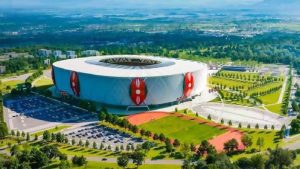 Construction began in 2024 and is progressing steadily, with completion expected well before the AFCON 2027 kick-off. The facility will host major matches and act as a centerpiece for Kenya’s football tourism.
Existing Stadium Upgrades
Alongside the Talanta project, Kenya is renovating historic venues like:
-
Moi International Sports Centre, Kasarani (60,000 seats)
-
Nyayo National Stadium
These upgrades ensure multiple world-class venues are ready for the tournament and other international events.
Uganda: Expanding Capacity & Building New Arenas
Hoima City Stadium
In western Uganda, the new Hoima City Stadium is rising quickly. With a planned capacity of 20,000 seats, this multi-purpose venue is slated to be completed by late 2025, well ahead of the tournament.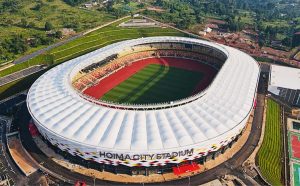
Akii Bua Stadium (Lira)
Named in honour of Uganda’s Olympic hero, the Akii Bua Stadium is another major project underway in Lira. Planned to hold 20,000 spectators, the stadium symbolizes both sporting pride and regional development.
Mandela National Stadium (Namboole)
Uganda’s flagship stadium in Kampala is also being expanded and upgraded, boosting capacity to around 60,000 and adding modern facilities such as VIP areas and new amenities to support AFCON matches.
These investments not only create venues for football but also strengthen Uganda’s position as a sports tourism destination in East Africa.
Tanzania: Bold Building in Multiple Cities
Samia Suluhu Hassan Stadium (Arusha)
Tanzania’s Samia Suluhu Hassan Stadium is under construction in Arusha. With an expected 30,000-seat capacity, the facility is scheduled for completion by 2026 and will be one of the key venues hosting AFCON matches. 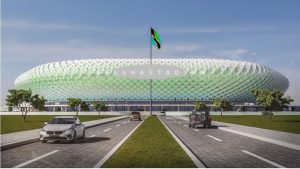
Dodoma Stadium
In the capital city of Dodoma, a new stadium — with around 32,000 seats — is also underway and expected to be ready by early 2027. This venue will add depth to Tanzania’s hosting capabilities.
Upgrades to Benjamin Mkapa Stadium & Amaan Stadium
Tanzania is modernizing existing facilities like the Benjamin William Mkapa National Stadium (Dar es Salaam) — a 60,000-seat flagship venue — and Amaan Stadium (Zanzibar), ensuring they meet CAF and FIFA specifications ahead of the tournament.
Why These Stadiums Matter Beyond Football
These stadium projects are more than just football venues — they are catalysts for tourism, regional pride, and economic growth:
Boosting Tourism
World-class stadiums help attract global visitors and media attention, opening doors for fans to explore nearby safari destinations, cultural sites, and urban experiences in Kenya, Tanzania and Uganda.
International Standards & Legacy Use
The facilities are being built to international sporting standards, meaning they will continue to host major events, concerts, and community functions long after AFCON 2027 concludes.
Local Development & Jobs
Construction projects create jobs, contribute to local businesses, and spur investment in surrounding infrastructure such as roads, hotels, and transport — all vital for a sustainable tourism economy.
✨ East Africa’s Moment on the World Stage
The collaborative stadium construction in Kenya, Uganda, and Tanzania underscores East Africa’s readiness to host Africa’s premier football championship. It also highlights broader ambitions to elevate the region’s profile, blending sport with travel and culture.
As match days draw nearer, these stadiums will become hubs of passion, unity, and sporting excellence — welcoming fans from across the continent and beyond.


